Running a startup with OpenClaw AI bots: Building scalable teams
Can you run a startup with just AI bots? Learn how the OpenClaw framework creates autonomous teams, reduces costs, and increases productivity.
.gif)
.gif)

Scalable startup structures through OpenClaw agents
In the modern startup landscape, a fundamental question arises: Is it possible to build a company primarily on the basis of an infrastructure of autonomous AI agents? The technological development of frameworks such as OpenClaw suggests that the vision of an AI-supported company is operationally feasible. By using specialized bots, founders can not only save significant HR costs, but also significantly increase productivity through automated workflows.
Definition and functionality of OpenClaw
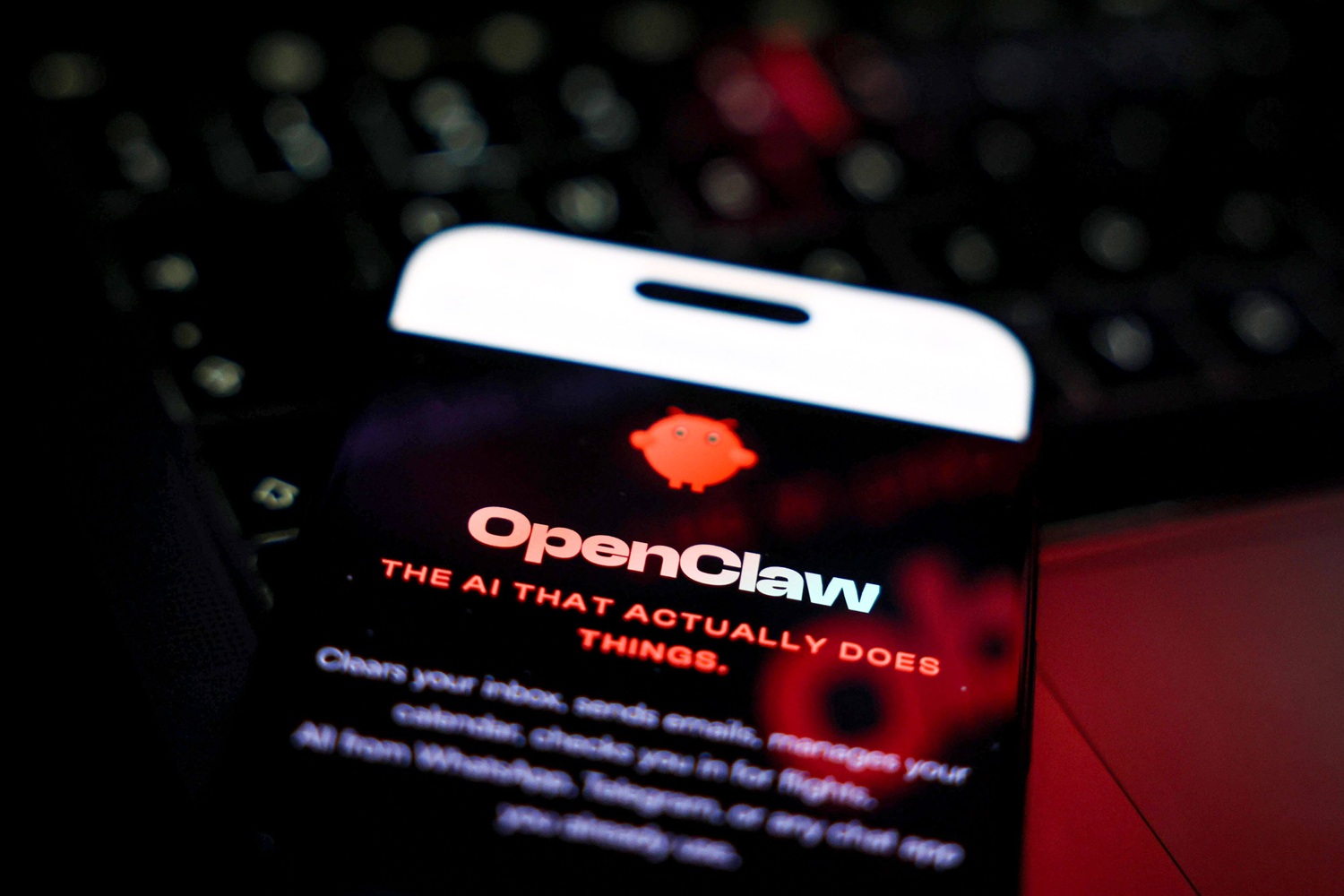
OpenClaw (formerly known as Clawdbot) is a framework for AI agents designed to adapt interaction with artificial intelligence to human ways of working. Unlike conventional large language models (LLMs), which primarily act reactively, OpenClaw is characterized by three core competencies:
- Persistent session architecture: Information and context are retained beyond individual interactions.
- Autonomous action: Agents have access to file systems, shell commands, and web interfaces (APIs) to actively perform tasks.
- Cross-platform integration: Communication takes place via established business channels such as Slack, Microsoft Teams, or specialized messaging services.
Overcoming technological barriers
A critical shortcoming of conventional AI solutions is what is known as “digital amnesia.” Without a persistent architecture, the context must be established redundantly with each new request. OpenClaw addresses this problem with a structured system architecture:
- The gateway: As the central control unit, it manages the routing of messages and the execution of scheduled tasks (cron jobs).
- Session identity: Each agent is assigned a unique key that ensures that data and learning processes remain isolated and specific.
- The workspace: A physical directory on the server serves as long-term memory. Protocols, knowledge databases, and current project statuses are permanently stored here.
According to research by McKinsey, 99% of all companies intend to integrate AI agents into their production processes, but so far only 11% have succeeded. The decisive factor here is not the capacity of the AI, but the underlying system architecture.
Implementation of a multi-agent system with OpenClaw
The strategic advantage for start-ups lies in the orchestration of specialized units. Instead of using universal AI for all tasks, dedicated agents are configured to function as a virtual team.
Example: An automated SEO and content team with OpenClaw
In practice, this can be achieved by separating responsibilities. A strategy agent takes care of coordination and project management, while a specialized SEO agent autonomously performs keyword analysis and market observation. A third agent can then take over content creation.
This strict separation prevents redundancies and ensures precise task completion. Data from N-iX shows that professionally architected multi-agent systems can reduce modernization times by up to 50% and operating costs by more than 40%.
Is it possible to run a startup as a solo entrepreneur using only OpenClaw?
OpenClaw offers entrepreneurs the opportunity to technically perfect the principles of the “lean startup.” By delegating repetitive and data-intensive tasks to a fleet of autonomous agents, company management can focus on strategic direction and growth. AI no longer functions merely as a tool, but as a scalable part of the workforce.
Frequently asked questions (FAQ) about OpenClaw
1. What distinguishes OpenClaw from conventional AI chatbots?
The main difference lies in its ability to act and its long-term memory. While standard chatbots usually only respond to queries and lose context after the session ends, OpenClaw actively performs tasks (e.g., file processing or web research) and stores information permanently in a dedicated workspace.
2. Do you need technical expertise to implement OpenClaw?
Since OpenClaw is operated as a framework on your own infrastructure (server), basic knowledge of server administration and working with APIs and JSON configurations is required. It is primarily aimed at technically savvy founders or development teams.
3. Which communication channels does the framework support?
OpenClaw is highly flexible and can be connected to popular messaging platforms such as Slack, Microsoft Teams, Telegram, WhatsApp, or Discord via a gateway. This allows AI agents to be integrated directly into the team's existing communication flows.
4. How secure is data when using OpenClaw?
Since the framework runs on the company's own infrastructure, company management retains full control over data sovereignty. However, security depends largely on the security of the company's own server and the guidelines of the connected AI models (such as OpenAI or Anthropic).
5. Can an AI team completely replace human workers?
In theory, many operational tasks can be automated. In practice, however, OpenClaw serves more as a productivity multiplier. While repetitive tasks such as SEO analysis or content creation are taken over, strategic decisions, creative visions, and interpersonal relationships remain the responsibility of the founders.
.gif)
.gif)
More blog posts
In-depth insights, inspiring success stories and practical tips for entrepreneurs - discover more in our other articles.